
Why Is It So Hard to Lose Weight? Understanding the Biology of Weight Loss
Sep 27, 2026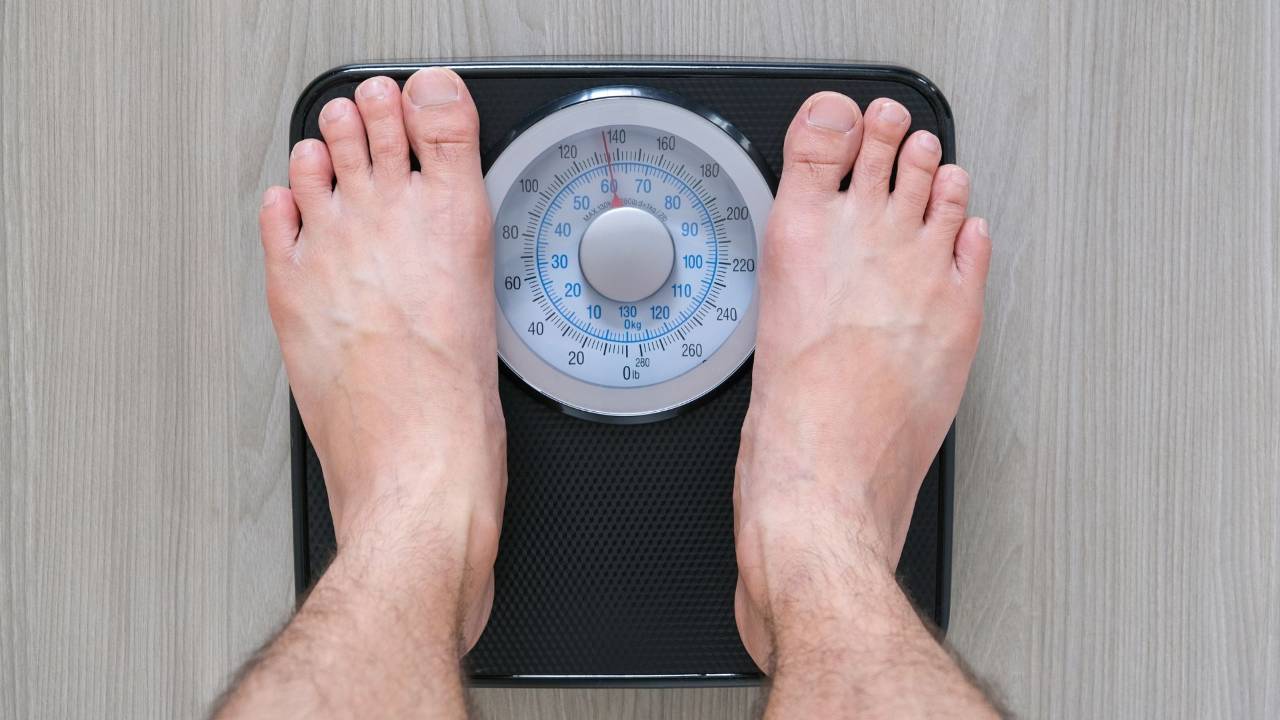
Losing weight is frequently presented as though it should be one of the simplest things in nutrition. Eat less, move more and maintain the resulting calorie deficit for long enough, and body weight should fall. At the level of basic physics, there is nothing particularly controversial about this. Reducing stored body fat ultimately requires the body to expend more energy than it is receiving, but knowing this tells us surprisingly little about why achieving and maintaining that state can be so difficult.
The problem with reducing weight management to energy balance alone is not that energy balance is wrong. It is that energy balance describes an outcome without adequately explaining the biology that produces it. Human energy intake and expenditure are not two numbers that we consciously enter into a calculator each morning. They are influenced by appetite, satiety, body composition, physical activity, sleep, food availability, medications, genetics, behaviour and an extraordinarily sophisticated network of hormonal and neurological signals.
This becomes particularly important during weight loss because the body is not necessarily a passive observer of the process. As body mass and energy stores decline, changes can occur in appetite and energy expenditure that make further weight loss and subsequent weight maintenance more difficult. The practical consequence is that somebody may follow a dietary intervention successfully for several weeks or months, only to discover that the same approach gradually becomes harder to sustain. Understanding why this happens gives us a much more useful basis for long-term weight management than simply assuming that the person has run out of willpower.
Energy balance - not always straight forward
Any scientifically credible discussion of weight loss has to begin with energy balance. Body energy stores increase when energy intake persistently exceeds expenditure, and reducing those stores requires a period in which expenditure exceeds intake. No theory involving insulin, carbohydrate, meal timing, metabolic type or any particular food can circumvent that basic requirement.
Where things become more interesting is in understanding what determines energy intake and expenditure in a free-living human being. Resting metabolic rate accounts for a substantial proportion of daily energy expenditure, but energy is also used in physical activity, digestion and the numerous processes required to maintain life. On the intake side, the amount of food we consume is influenced by far more than conscious decision-making. Hunger, satiety, food reward, portion size, energy density, eating rate, food availability and the sensory characteristics of food can all influence how much energy enters the system.
This distinction is fundamental. If somebody is consistently consuming more energy than they expend, explaining that they need to eat fewer calories may be technically correct, but it does not identify why their current diet is producing that level of intake. A more useful nutritional question is therefore what characteristics of their diet, physiology, lifestyle and environment are driving appetite and energy consumption, and which of those can realistically be modified.
Appetite is biologically regulated
Hunger is experienced consciously, but its regulation involves a complex interaction between the central nervous system and signals originating throughout the body. The hypothalamus and other brain regions integrate information relating to energy availability, gastrointestinal contents, circulating nutrients and stored body fat. A large number of hormones and signalling molecules participate in this system, including leptin, ghrelin, insulin, glucagon-like peptide-1 (GLP-1), peptide YY and cholecystokinin.
Leptin provides a useful example of how this regulatory system operates. It is secreted predominantly by adipose tissue, and circulating concentrations generally reflect the amount of energy stored in fat. Leptin acts on areas of the brain involved in appetite and energy regulation. In obesity, leptin concentrations are usually elevated rather than deficient, but responsiveness to the signal can be impaired. Conversely, when fat mass falls, leptin concentrations decline. This reduction is one of several signals indicating that stored energy has decreased.
Ghrelin operates differently. It is produced primarily by the stomach and participates in the regulation of hunger and meal initiation. Gastrointestinal peptides released in response to eating provide additional information about the arrival and composition of food. GLP-1, for example, contributes to glucose regulation, slows gastric emptying and influences appetite and satiety. The effectiveness of pharmacological GLP-1 receptor agonists has brought much wider public attention to the importance of these biological appetite pathways, although the underlying physiology has been studied for decades.
The important point is not that any single hormone controls body weight. It does not. Rather, appetite emerges from an integrated biological system that continually communicates information about energy intake and energy stores to the brain. This helps explain why hunger cannot simply be regarded as a failure of discipline and why different foods and dietary patterns can produce very different experiences of satiety even when their energy content is similar.
Why weight loss can become progressively more difficult
One of the most important features of weight regulation is that losing weight can itself alter the conditions under which further weight loss takes place. As body mass decreases, total energy requirements generally decrease as well. A smaller body requires less energy to maintain and usually less energy to move, so an energy intake that produced a meaningful deficit at a higher body weight may eventually produce a much smaller deficit.
There is also evidence for adaptive thermogenesis, usually defined as a reduction in energy expenditure greater than would be predicted solely from changes in body mass and composition. The size and clinical importance of this effect vary considerably between individuals and studies, and it is important not to exaggerate it. A systematic review found evidence of adaptive thermogenesis in some components of energy expenditure but noted substantial methodological heterogeneity and suggested that the effect may be relatively small or attenuate after periods of weight stabilisation. Other experimental work has demonstrated measurable adaptive reductions in resting energy expenditure during substantial weight loss. PubMed
At the same time, weight loss can increase the biological drive to eat. This creates a potentially important combination: energy requirements may be lower while appetite is simultaneously encouraging greater energy intake. From a physiological perspective, this is entirely understandable. A substantial reduction in stored energy is not necessarily interpreted by the regulatory systems of the body as a desirable achievement. Mechanisms involved in energy homeostasis developed under very different environmental conditions from those in which most of us now live.
This does not mean that the body possesses a perfectly defended “set point” that makes weight loss impossible, nor does it mean that a damaged metabolism prevents further progress. Both ideas are often overstated. It means that body weight is dynamically regulated and that compensatory responses can make maintaining a lower weight biologically and behaviourally more demanding than simply continuing the behaviours that initiated the weight loss.
Satiety may be one of the most useful nutritional targets
This is why the composition and structure of a diet matter even when energy balance remains the underlying determinant of weight change. Two diets can theoretically provide the same energy deficit while producing completely different experiences for the person following them. A diet that generates persistent hunger, poor satisfaction and continual thoughts about food is unlikely to be as sustainable as one that produces adequate satiety while providing the same overall energy intake.
Protein is particularly relevant. Compared with carbohydrate and fat, protein generally has a relatively strong satiating effect and also has a higher thermic effect of feeding, meaning that a greater proportion of its energy is expended during digestion, absorption and metabolism. During weight loss, adequate protein also helps support the preservation of lean tissue, particularly when combined with resistance exercise. This becomes increasingly important with advancing age because skeletal muscle is not simply aesthetically desirable tissue; it contributes to physical function, glucose disposal, metabolic health and the maintenance of independence later in life.
Fibre can contribute through several mechanisms. Fibre-rich foods frequently require more chewing, increase the physical volume of meals and can slow aspects of digestion. Certain fibres are fermented by the gut microbiota to produce short-chain fatty acids, although translating these mechanisms into simple claims about weight loss requires caution. From a practical perspective, foods such as vegetables, pulses, whole fruit and appropriate whole grains allow substantial amounts of food to be incorporated into the diet while generally providing relatively low or moderate energy density.
Water content and food structure matter for similar reasons. A substantial meal based around vegetables, a meaningful source of protein and other minimally processed foods can occupy considerably more physical volume than an equivalent amount of energy supplied by confectionery, snack foods or other highly energy-dense products. The energy content still matters, but the route by which that energy is consumed can strongly influence satiation and subsequent appetite.
This shifts the emphasis from simply asking how little somebody can eat to asking how we can construct a diet that allows an appropriate energy intake without requiring continual restraint. For long-term weight management, that is a considerably more useful objective.
The food environment can alter energy intake
The role of food processing has become an important area of obesity research. It is easy for this subject to become ideological, with ultra-processed food sometimes discussed as though processing itself renders a food metabolically toxic. The evidence warrants a more careful interpretation.
One particularly informative study was Kevin Hall and colleagues' tightly controlled inpatient randomised crossover trial at the US National Institutes of Health. Twenty adults were provided with either an ultra-processed or unprocessed diet for two weeks before crossing over to the alternative diet. The diets presented to participants were matched for several nutritional variables, and participants were allowed to eat as much or as little as they wished. During the ultra-processed phase they consumed, on average, approximately 500 additional kilocalories per day and gained weight, whereas they lost weight during the unprocessed phase. PubMed
The study does not demonstrate that every food classified as ultra-processed causes weight gain, nor does it establish that food processing is intrinsically harmful. It does, however, provide experimental evidence that characteristics commonly found in highly processed dietary patterns can influence spontaneous energy intake.
Subsequent research has begun to investigate why. Eating rate appears to be one potentially important factor. A more recent randomised crossover trial manipulating the characteristics of ultra-processed diets found that a slower eating-rate diet produced substantially lower daily energy intake than a faster eating-rate version, despite attempts to match several other dietary characteristics. PubMed This illustrates why focusing exclusively on calories can miss useful information. Calories ultimately matter for energy balance, but food texture, eating rate, energy density and meal structure can influence how many calories are consumed before satiation occurs.
The practical conclusion does not need to be that every packaged product should be eliminated. A more defensible recommendation is to build the majority of the diet around foods and meals that provide substantial nutritional value and make appetite easier to regulate, while recognising that modern food environments contain many products specifically designed to be convenient, highly palatable and extremely easy to consume rapidly.
Insulin matters, but not in the way social media often suggests
No discussion of metabolism and weight loss is complete without addressing insulin. Insulin is essential to normal physiology and plays a central role in glucose regulation and nutrient storage. Insulin resistance is strongly associated with metabolic dysfunction and is an important feature of prediabetes and type 2 diabetes. Where the subject becomes problematic is when this complex physiology is reduced to the claim that carbohydrate raises insulin, insulin promotes fat storage and carbohydrate therefore uniquely causes obesity.
The metabolic reality is considerably more complicated. Fat storage and mobilisation occur continuously throughout the day, and changes in body fat over longer periods reflect the net balance between these processes. An increase in insulin following a mixed meal does not mean that fat loss has been switched off permanently, just as an increase in fat oxidation during fasting does not guarantee net fat loss over the day.
Lower-carbohydrate diets can nevertheless be extremely effective for some people. They may improve glycaemic control, reduce triglycerides, simplify food choices and, in certain individuals, improve appetite control. Other people achieve excellent metabolic outcomes with dietary patterns containing considerably more carbohydrate, particularly when those carbohydrates come predominantly from minimally processed plant foods. The appropriate question is therefore not whether carbohydrate or insulin can be declared responsible for obesity, but which dietary pattern produces good metabolic control, adequate nutrition, manageable appetite and long-term adherence for the individual concerned.
This distinction becomes especially important in people with insulin resistance, prediabetes or type 2 diabetes, where improving dietary quality, reducing excess adiposity where appropriate and increasing physical activity can substantially improve metabolic health. Blood glucose and insulin are therefore highly relevant to weight management, but they belong within the wider physiology of energy balance rather than replacing it.
Body composition matters more than the number on the scales
Another limitation of conventional dieting is its fixation on total body weight. A set of bathroom scales cannot distinguish between loss of body fat, water, glycogen and lean tissue. Yet these compartments have very different implications for health.
During intentional weight loss, the objective should usually be to reduce excess body fat while preserving as much skeletal muscle as possible. Some loss of lean mass can occur during weight reduction, particularly with large energy deficits, inadequate protein intake and insufficient muscular loading. This is one reason resistance exercise should be regarded as a central component of a well-designed weight-management programme rather than an optional extra for people interested in bodybuilding.
Skeletal muscle is metabolically active and is a major site of glucose disposal. Maintaining it also becomes increasingly important as we age because age-related reductions in muscle mass and function contribute to frailty and loss of physical independence. A dietary intervention that produces rapid weight loss while unnecessarily sacrificing large amounts of muscle may therefore look impressive on the scales while producing a less desirable change in body composition.
Waist circumference and fat distribution can also provide information that body weight alone cannot. Visceral adipose tissue, stored around the abdominal organs, is particularly associated with insulin resistance and cardiometabolic risk. Two individuals of identical weight can consequently have markedly different body compositions and metabolic risk profiles. The goal of weight management should therefore extend beyond simply becoming lighter towards improving body composition and the metabolic markers that actually influence long-term health.
Sleep is part of metabolic health
Sleep is often treated as a lifestyle footnote in discussions about weight, but there are good reasons to take it seriously. Inadequate sleep can influence appetite, food reward, glucose regulation and the behavioural choices that determine food intake. This does not mean that sleep deprivation somehow creates body fat independently of energy balance. Rather, poor sleep can change the physiological and behavioural conditions that determine energy intake.
A particularly interesting randomised clinical trial examined adults with overweight who habitually slept for less than 6.5 hours per night. Participants assigned to an intervention designed to extend their sleep reduced objectively measured daily energy intake by approximately 270 kilocalories compared with the control group, without a significant difference in total energy expenditure. The intervention lasted only two weeks, so it should not be interpreted as evidence that sleep extension alone constitutes a long-term obesity treatment, but it demonstrates how changing one apparently unrelated behaviour can alter spontaneous energy intake. JAMA Network
This is a useful example of why weight management needs to be considered in context. Somebody who is chronically sleep deprived may be attempting to control their food intake while simultaneously experiencing biological and behavioural pressures that make that control more difficult. Improving sleep will not negate the need for an appropriate diet, but it may make that diet considerably easier to maintain.
Exercise should not be reduced to calorie burning
Exercise is similarly misunderstood when its value is judged solely by the number of calories displayed on a treadmill. Physical activity certainly contributes to total energy expenditure, but its importance extends much further.
Aerobic exercise improves cardiorespiratory fitness and insulin sensitivity, while resistance exercise provides the mechanical stimulus required to preserve or increase skeletal muscle. Regular activity also has important effects on cardiovascular health, physical function and psychological wellbeing. During weight loss, the combination of adequate dietary protein and resistance exercise is particularly valuable because it helps direct the intervention towards improved body composition rather than indiscriminate weight reduction.
There is also a distinction between structured exercise and general daily movement. Non-exercise activity can vary substantially between individuals and may change during periods of energy restriction. Someone who completes a formal workout but then becomes markedly less active for the remainder of the day may compensate for part of the exercise expenditure without consciously realising it. This is another example of the dynamic nature of energy balance and another reason why simplistic calculations of calories consumed versus calories burned often fail to describe what is happening in everyday life.
Long-term weight management requires a different mindset
The central lesson from all of this is that effective weight management should not be designed around the maximum degree of dietary restriction somebody can tolerate. It should be designed around the creation of a dietary and lifestyle pattern that produces an appropriate energy intake while maintaining nutritional quality, satiety, lean tissue and metabolic health.
For most people, this means constructing meals around minimally processed foods, including an appropriate source of protein, consuming plenty of vegetables and other fibre-rich plant foods, and being mindful of foods and drinks that deliver large amounts of energy with relatively little satiety. The precise macronutrient distribution can vary. Some people find a lower-carbohydrate pattern particularly effective, while others prefer a Mediterranean-style diet containing whole grains, pulses and fruit. What matters is that the overall pattern supports health, controls appetite sufficiently well and can be sustained.
Resistance exercise should be incorporated wherever appropriate, not simply to increase energy expenditure but to preserve muscle. Everyday physical activity should be encouraged alongside formal training. Sleep deserves attention, particularly in people who are chronically sleep deprived. The home and work environment can also be deliberately structured so that desirable food choices are convenient and foods that are routinely overeaten require more conscious effort to obtain.
There will also be circumstances in which lifestyle intervention alone is not sufficient. Certain medications and medical conditions can influence body weight, and people experiencing substantial or unexplained weight change may require clinical assessment. For people living with obesity, evidence-based treatment can also include behavioural programmes, pharmacotherapy and bariatric or metabolic surgery depending on individual clinical circumstances. Nutrition remains important within all of these approaches, but it should not be used to imply that every person can or should manage obesity through dietary willpower alone.
Understanding the biology changes the strategy
The fundamental principle of weight loss remains straightforward: reducing body energy stores requires a sustained period in which energy expenditure exceeds energy intake. What is not straightforward is the biological and behavioural system determining those two variables.
As weight is lost, energy requirements can decrease and compensatory changes in appetite and energy expenditure may occur. Food structure and composition influence satiety. Protein and resistance exercise can help preserve lean tissue. Highly processed dietary patterns can make substantial energy intake easier in ways that are only beginning to be fully understood. Sleep can alter spontaneous food intake, while the modern food environment continually exposes us to convenient, highly palatable sources of energy. Insulin, glucose regulation, genetics, medications and individual metabolic health add further layers of complexity.
Recognising these factors does not invalidate energy balance; it explains why managing energy balance in a living human being can be difficult. It also points towards a more intelligent approach to weight loss. Instead of relying on progressively greater restriction, the aim should be to create conditions in which an appropriate energy intake becomes easier to maintain: satisfying meals, adequate protein, high-quality food, sufficient fibre, preserved muscle, regular movement, adequate sleep and an environment that supports rather than continually undermines those behaviours.
This is ultimately the distinction between a diet that produces temporary weight loss and a nutritional strategy designed to support long-term weight management. The former asks how rapidly the number on the scales can be made to fall. The latter asks what physiological, nutritional and behavioural conditions need to be in place for a healthier body composition to become sustainable. For anyone interested in lasting results rather than another short-lived diet, that is the much more important question.
References
Hall KD, et al. Ultra-Processed Diets Cause Excess Calorie Intake and Weight Gain: An Inpatient Randomized Controlled Trial of Ad Libitum Food Intake. Cell Metabolism. 2019. In this controlled crossover trial, energy intake was approximately 500 kcal/day greater during the ultra-processed dietary condition. PubMed
A 2021 systematic review found evidence for adaptive thermogenesis after weight loss but highlighted substantial heterogeneity and generally smaller effects in higher-quality studies, an important qualification when discussing the popular idea of a “slowed metabolism.” PubMed More recent experimental work has nevertheless measured adaptive reductions in resting energy expenditure during substantial weight loss. PubMed
Tasali E, et al. Effect of Sleep Extension on Objectively Assessed Energy Intake Among Adults With Overweight in Real-life Settings. JAMA Internal Medicine. 2022. Sleep extension reduced objectively assessed energy intake by approximately 270 kcal/day during the short intervention. JAMA Network
Recent controlled feeding research also supports eating rate and food texture as potential determinants of spontaneous energy intake, including within diets composed of ultra-processed foods.